The Committee on Constitutional Affairs (AFCO) plays an important role in shaping the future institutional set-up of the European Union and deals with all aspects related to the European integration process. This includes the implementation and modification of the Treaties, but also the changes in the European Parliament’s Rules of Procedure.
In 2020, I was appointed to the Committee on Constitutional Affairs. Despite its institutional nature, the work of AFCO digs into the Union’s decision-making processes and it has a direct impact on the lives of EU Citizens. Among our objectives, there is making the EU more efficient, democratic and transparent, in order to fill the gap between EU institutions and citizens and bring them closer to each other.
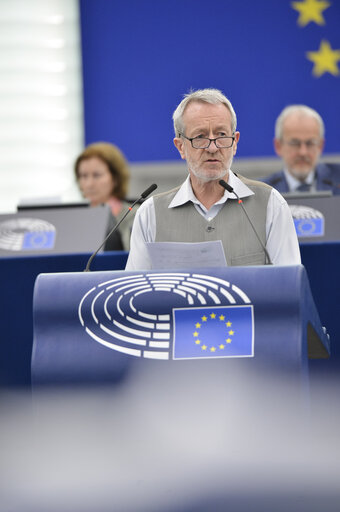
The European Parliament has taken a significant step forward by adopting a resolution aimed at enhancing citizen engagement in the EU’s legislative process. With 537 votes in favor, this resolution underscores the growing interest of European citizens in EU developments, as evidenced by the 50.6% voter turnout in the 2019 elections – the highest since 1994.
This initiative highlights the need for deeper and more inclusive dialogues between citizens and policymakers. By fostering exchanges across various levels, engaging young people, combating disinformation, and developing innovative digital tools, we aim to empower all citizens to participate effectively. As we strive to make the EU more social, fair, and accountable, I am committed to ensuring that your voice is heard and valued in shaping the future of Europe.
The European Parliament is committed to enhancing the legislative process, ensuring it is transparent, proportionate, and effective. In 2020, the Parliament received 131 reasoned opinions from national parliaments, which increased to 227 in 2021. This surge reflects the growing engagement of national parliaments in EU decision-making.
I emphasized the importance of legislative scrutiny and the active participation of national parliaments. Ensuring EU laws are fit for purpose, reduce unnecessary burdens, and uphold subsidiarity and proportionality principles is crucial. By promoting participatory democracy and improving legislative tools, we aim to foster a more connected and accountable Union, benefiting all European citizens and stakeholders.
As digital transformation progresses, the EU faces growing cyber threats, with incidents in the first half of 2021 matching the entire previous year’s total. An analysis of 20 Union bodies revealed significant inconsistencies in cybersecurity governance, preparedness, and capability, weakening the overall system.
To address these vulnerabilities, a new regulation establishes a common cybersecurity framework across all EU institutions, bodies, offices, and agencies. This regulation aims to bolster resilience and improve incident-response capacities. The Committee on Industry, Research and Energy (ITRE) spearheaded this initiative, with unanimous adoption in March 2023 and confirmed negotiations in June 2023. Following a provisional agreement, the regulation was adopted by Parliament in November 2023 and by the Council in December 2023, taking effect in January 2024. This significant step ensures a high common level of cybersecurity, fortifying the EU’s digital landscape
This website uses cookies to enhance your experience. Some are essential for site functionality, while others help us analyze and improve your usage experience. Please review your options and make your choice.
If you are under 16 years old, please ensure that you have received consent from your parent or guardian for any non-essential cookies.
Your privacy is important to us. You can adjust your cookie settings at any time. For more information about how we use data, please read our privacy policy. You may change your preferences at any time by clicking on the settings button below.
Note that if you choose to disable some types of cookies, it may impact your experience of the site and the services we are able to offer.
Some required resources have been blocked, which can affect third-party services and may cause the site to not function properly.
This website uses cookies to enhance your browsing experience and ensure the site functions properly. By continuing to use this site, you acknowledge and accept our use of cookies.